A fireplace that smells like an ashtray or a campfire, even when it is not in use, almost always has creosote and soot in the flue, and the house is pulling air down the chimney into the room. A sweep removes the source of the smell; fixing the air flow keeps what is left from coming back inside.
Smoky or tar-like smell: creosote
Every wood fire leaves soot and creosote on the inside of the flue. Creosote has a strong, sharp smell, and it gets worse when the air is damp or warm, because moisture brings the odor out. That is why many people notice it most after a rainy week or on a mild, humid day in the fall.
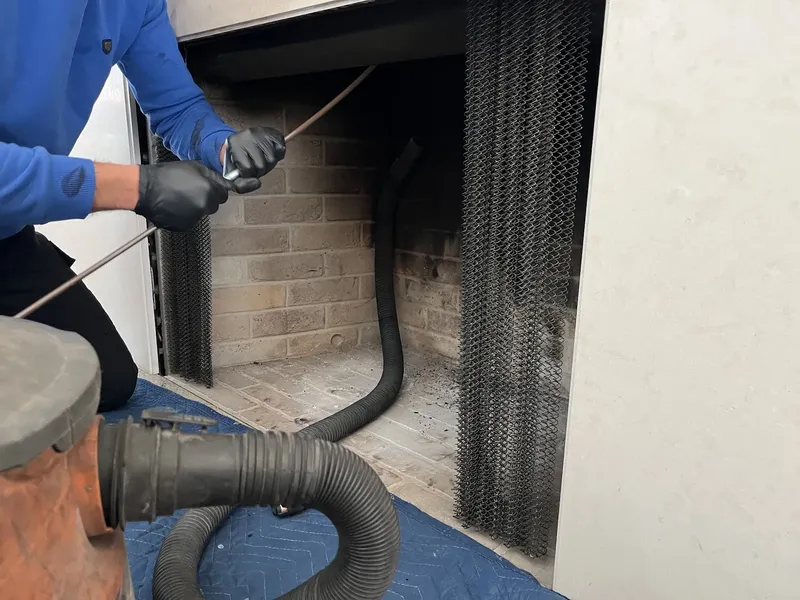
The fix is a chimney sweep. We brush and vacuum the flue, the smoke chamber and the firebox, which takes away most of what causes the smell. If the creosote has turned to a hard, shiny glaze, it does not come off with a normal brush and needs more work; the inspection shows which kind you have.
Why the smell comes into the room
A chimney is a tall open shaft. When the house is under negative pressure, air flows down the chimney into the room instead of up and out, and it carries the smell with it. In New York homes and apartments, the usual causes are:
- Kitchen and bathroom exhaust fans pulling air out of the house
- A dryer running
- Tightly sealed new windows
- Another flue or a boiler in the building drawing air
- Wind pushing down on a short chimney
A damper that closes tightly stops most of this. Many old dampers in Brooklyn and Manhattan fireplaces are rusted open, warped or missing. We repair and replace dampers as part of our fireplace repair work. A chimney that is too short for the roof around it can need an extension so the draft runs the right way.
Musty or damp smell: water in the chimney
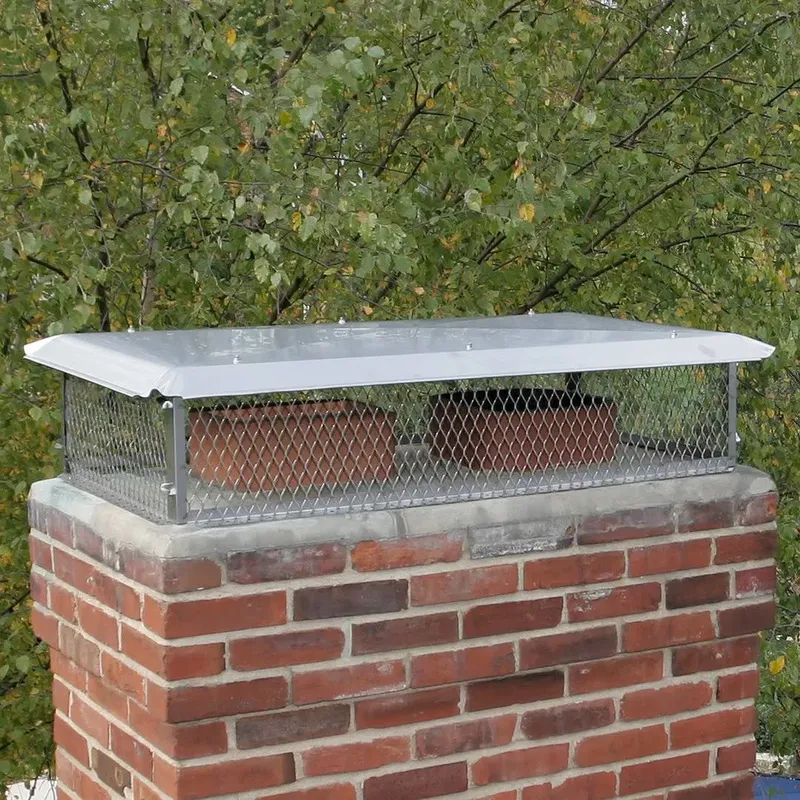
A musty, wet smell means water is getting in. The most common way in is an open flue with no chimney cap, so rain falls straight down the chimney and soaks the soot and the masonry. Water in the firebox, rust on the damper and stains on the wall around the chimney are signs to look for. A stainless steel cap keeps the rain out. If the water comes in somewhere else, the inspection shows where.
A rotten smell: a nest or an animal
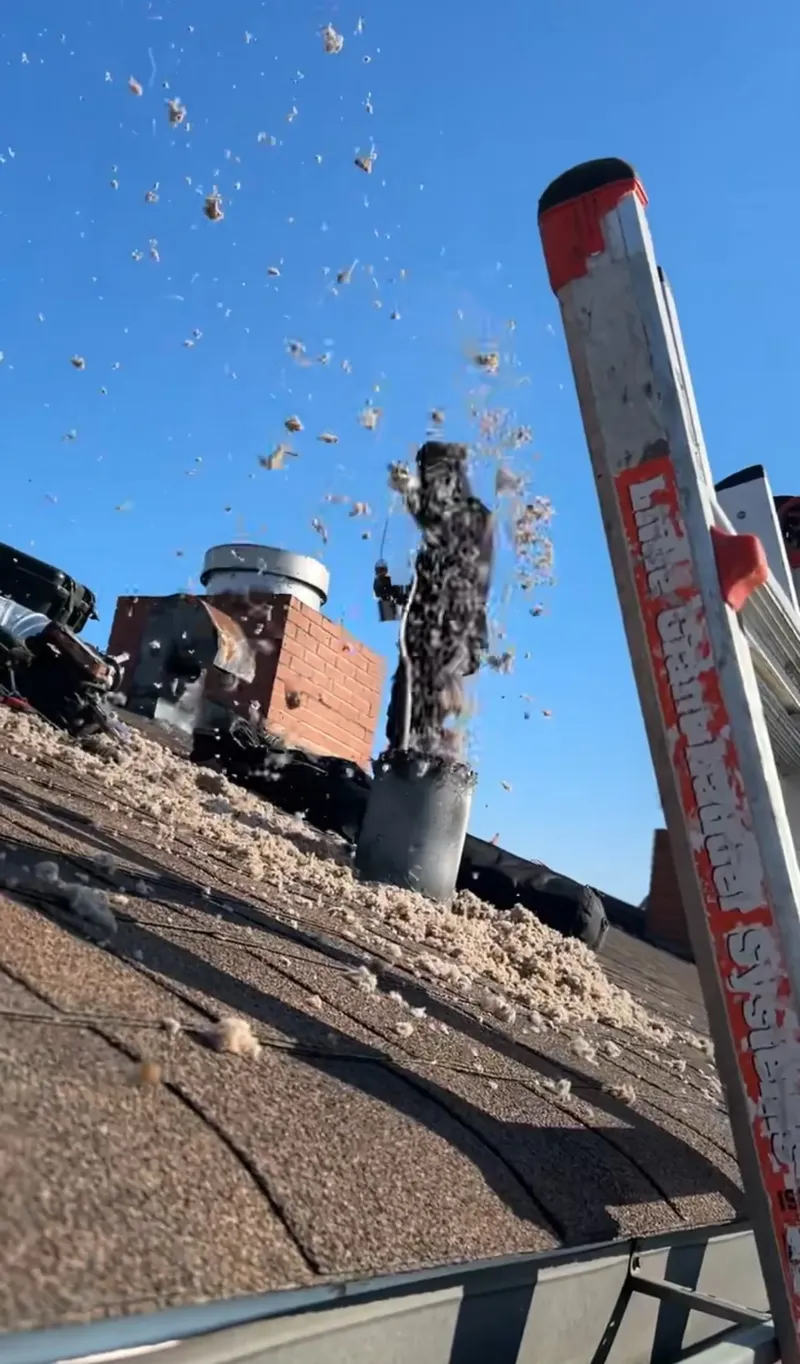
A strong, rotten smell, especially with flies or sounds in the chimney, usually means birds, squirrels or raccoons have nested in the flue, or an animal has died in it. Do not light a fire to clear it. The nest can block the flue and send smoke and exhaust into the house. We clear blocked flues from the top or from the firebox, and when debris has packed the bottom of a flue we open the wall at the base of the chimney to get it out. See chimney clog removal. A cap with a mesh screen keeps animals out afterward.
A smell of exhaust near the boiler
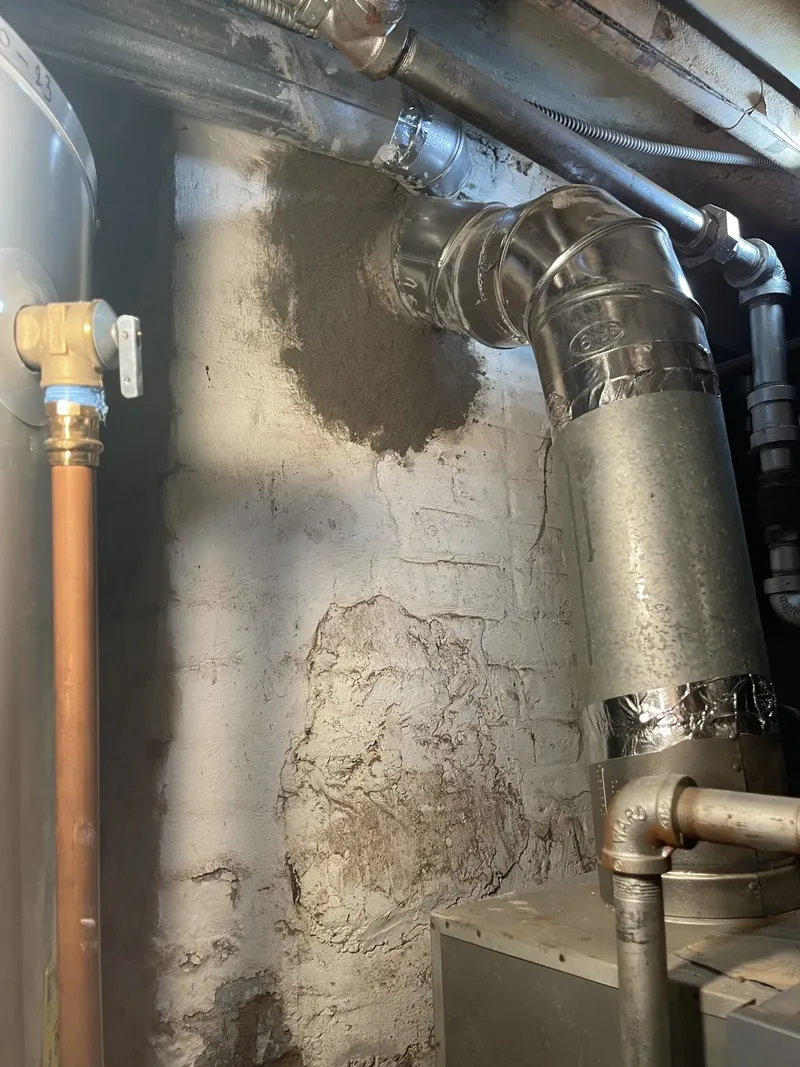
An exhaust or fuel smell near a boiler or water heater is a different problem. It can mean the flue is blocked or not drawing, and the exhaust is spilling into the basement. Make sure your carbon monoxide alarms work, and have the flue checked. If you smell gas, leave the building and call your gas utility or 911 from outside. More on boiler and water heater venting.
What we check on a smell call
We start with a sweep and a camera inspection of the flue, check the damper and the top of the chimney, and look for water stains and nesting material. Then we tell you what is causing the smell and what it takes to stop it, with a flat-rate quote for any repair. Use the quote form or call or text (646) 290-6327.